
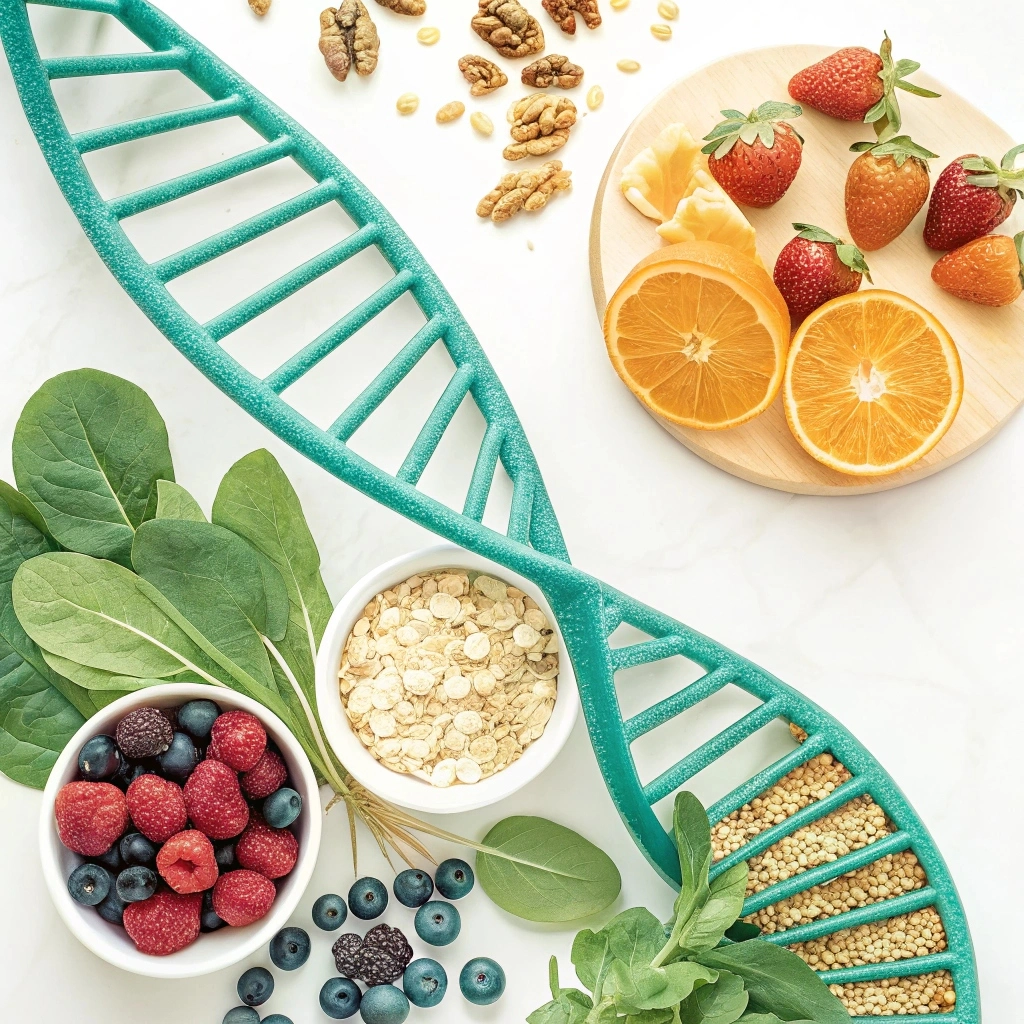
In recent decades, nutrition has undergone a remarkable transformation. What was once a field focused mainly on general dietary guidelines is now shifting toward highly individualized strategies. At the heart of this revolution lies personalized nutrigenomics — the science that studies how our genes interact with nutrients and how this knowledge can be used to design tailored diets. Once considered futuristic, this approach is already becoming a practical tool in preventive health, disease management, and lifestyle optimization.
What Is Nutrigenomics?
Nutrigenomics explores the interplay between nutrition and the genome. Unlike traditional nutrition science, which applies the same recommendations to broad populations, nutrigenomics recognizes that each individual’s genetic makeup influences how nutrients are absorbed, metabolized, and utilized.
For example, some people may carry gene variants that slow down the metabolism of caffeine, making them more sensitive to its effects, while others can consume coffee without noticeable issues. Similarly, genetic differences can determine how efficiently someone processes vitamins like folate or vitamin D.
By mapping these genetic variations, nutrigenomics provides insights into how personalized dietary choices can optimize health and reduce disease risk.
The Core Principles of Personalized Nutrigenomics
- Genetic Diversity in Nutrient Metabolism
Genes regulate enzymes and transporters that handle essential nutrients. Variations in these genes can lead to differences in tolerance, deficiency risk, or susceptibility to diet-related diseases. - Diet–Gene Interactions
Nutrients influence gene expression — the way genes are switched on or off. For instance, omega-3 fatty acids can modulate inflammation-related genes, while polyphenols in fruits may affect pathways related to oxidative stress. - Precision Nutrition
Personalized nutrigenomics seeks to move beyond one-size-fits-all diets by recommending foods, supplements, and lifestyle changes that align with an individual’s unique genetic profile.
Applications in Modern Health
1. Preventive Medicine
Genetic testing can identify predispositions to chronic conditions such as obesity, diabetes, or cardiovascular disease. Nutrigenomics provides personalized dietary guidelines to help reduce these risks before disease develops.
2. Weight Management
Standard diets often fail because they don’t account for genetic differences. For example, some individuals lose weight more effectively on low-fat diets, while others respond better to low-carbohydrate approaches. Nutrigenomic analysis helps identify the best strategy.
3. Sports and Performance Nutrition
Athletes increasingly use nutrigenomics to fine-tune energy intake, hydration, and recovery strategies. Genes related to muscle performance, oxygen use, and inflammation can guide optimal nutrition for training and competition.
4. Mental Health and Cognition
Diet plays a crucial role in brain health, and genetic differences can influence the metabolism of neurotransmitter precursors, vitamins, and fatty acids. Personalized plans can support mood stability, focus, and long-term cognitive resilience.
5. Aging and Longevity
Nutrigenomics also ties into epigenetics — the regulation of gene expression over time. Personalized diets can help slow biological aging processes, supporting healthy longevity.
The Technology Behind It
The growth of nutrigenomics is fueled by advances in:
- Genetic testing — Affordable DNA sequencing and genotyping provide individual genetic blueprints.
- Bioinformatics — Sophisticated algorithms interpret genetic data and predict nutrient interactions.
- Big data and AI — Machine learning identifies patterns between genes, diet, and health outcomes across large populations.
- Wearable technology — Integration with health trackers offers real-time feedback on how nutrition affects metabolic responses.
Ethical and Practical Considerations
As promising as nutrigenomics is, it raises questions about accessibility, privacy, and interpretation:
- Data Privacy — Genetic information is highly personal and must be securely protected.
- Scientific Validation — While many associations are well established, not all gene–diet interactions are fully understood. Responsible interpretation is essential.
- Equity of Access — Personalized nutrigenomics should not become a privilege for the wealthy but a widely available healthcare tool.
Personalized Nutrition in Practice Today
Contrary to the belief that this is still futuristic, nutrigenomics is already applied in clinics and wellness programs worldwide. Consumers can now order at-home DNA kits that provide reports on lactose intolerance, caffeine sensitivity, vitamin needs, and diet compatibility. Nutritionists and doctors use these results to create tailored dietary plans, combining genetic insights with lifestyle and health data.
Some companies even integrate microbiome analysis, recognizing that gut bacteria interact with both diet and genes. This adds another layer of precision, moving toward a truly holistic model of health optimization.
Looking Ahead
The future of nutrigenomics is likely to include:
- Fully personalized meal plans integrated with AI-powered apps.
- Smart supplements designed based on genetic and metabolic profiles.
- Preventive healthcare systems where genetic screening becomes standard practice.
- Integration with longevity science to extend healthspan by slowing epigenetic aging.
What once seemed like science fiction — food as personalized medicine — is now within reach.
Conclusion
Personalized nutrigenomics represents a paradigm shift in healthcare. By combining genetic insights with nutrition science, it empowers individuals to make dietary choices that align with their biology, maximizing health benefits and minimizing risks. While challenges remain, the tools of the future are already here, accessible today.
In a world facing rising rates of chronic disease and aging populations, nutrigenomics provides a clear path forward: a science of the future that is transforming health in the present.